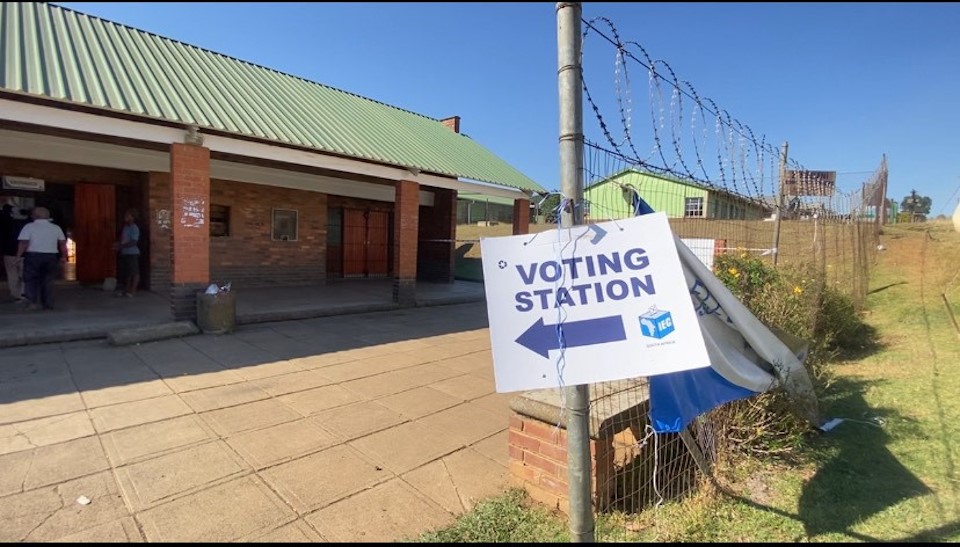
As South Africa marks three decades since the historic 1994 elections that ended apartheid and ushered in a new era of democracy, citizens who participated in that pivotal moment reflect on their experiences and share their thoughts on the current state of the nation. Their memories and insights are contrasted by the aspirations of a new generation of voters born into freedom.
For many South Africans, the memory of April 27, 1994, remains vivid. Eighty-year-old Elizabeth Zuma recalls the day with a sense of triumph and unity. "It was the first time in my life that I felt like my voice truly mattered. Standing in line for hours, seeing people of all races waiting together, it was as if the whole nation was taking a deep breath of freedom for the first time."
Hlengiwe Ndlela (66), a former counsellor of ward 8 in Mpophomeni Township, shares a similar sentiment. "We have seen a huge difference since 1994, especially in the black communities. Things such as proper gravel roads and grants were only given to a certain race group before we became a democratic country,” she explained. As much as Ndlela claims to see progressive change in our country since 1994, she believes that our government can and should be doing more for the youth. “Of course there is still room for improvement for our government. I would like to see more job opportunities being created for the youth because there are far too many graduates without jobs,” she added.
Despite the initial euphoria, many who voted in 1994 acknowledge that the journey since then has been fraught with challenges. "We achieved political freedom, but economic freedom has been much harder to attain," says Thembekile Ngcobo. "The inequality and unemployment are not what we fought for. It's disheartening to see corruption and mismanagement tarnish the dream we had."
Looking at the road ahead, the aspirations of the youth reflect a desire for both continuity and change. Mlondi Madlala, a 20-year-old university student from Umgungundlovu TVET College, represents the generation born into a democratic South Africa. "I've grown up with the benefits of the freedoms that were fought for in 1994. But we need more than just the right to vote. I want to see a South Africa where everyone has access to quality education, healthcare, and job opportunities."
Mlondi believes that R350 grant money that unemployed South Africans receive, could be used to create more job opportunities. “The grant money that is given to unemployed people could be used to invest in small businesses so that they can expand, and more job opportunities can be created through that,” he explains.
As South Africa celebrates 30 years of democracy, the reflections of those who lived through its birth and the dreams of those shaping its future offer a moving reminder that the journey is ongoing. The nation has made significant strides, but the road ahead remains long and complex.
As the nation heads to the polls once again, the blend of reflections and aspirations underscores the resilience and determination of South Africans to forge a future that honours the past while striving for a better tomorrow.
Pictured above L-R: Elizabeth Zuma and Hlengiwe Ndlela.
Author and photo credit: Nonjabulo Myeni, pictured here RHS.
About the Author:
I'm a passionate journalism student dedicated to using my voice to amplify the stories of often overlooked communities. My work centers on the belief that every story matters, and I strive to bring attention to the unique challenges and triumphs of those who are often unheard. I have a keen interest in the transformative power of arts, culture, and sports, especially for the youth. Through my reporting, I aim to highlight how these elements can inspire, unite, and empower young people, fostering a sense of identity and community.