 A great recipe is rarely just a list of ingredients.
It is the spice hitting the pan. The crunch in the first bite. The comfort of something familiar. The detail that makes a dish taste as though it has been cooked with care, not just produced at speed.
But when that same dish needs to be served to hotel guests, conference delegates, wedding attendees, restaurant diners, or at family gatherings, the challenge changes.
How do you scale a stand-out recipe without losing what makes it special?
According to Unilever Food Solutions’ Future Menus 2026 report, one of the key trends shaping menus across the food industry is Culinary Roots, from gourmet dining to street food. This trend celebrates heritage, traditional techniques, regional ingredients and dishes with a strong sense of identity.
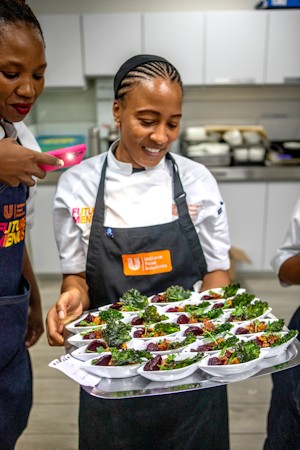
“Culinary Roots is about food that feels real,” says Chef Latoya Marivate from Unilever Food Solutions. “People want dishes with story and depth. But in a busy kitchen, that dish also has to work under pressure. ‘Umleqwa’ Broth with Stuffed Dumplings and Crackling demonstrates how this can be achieved,” she elaborates. “It takes traditional free‑range chicken, valued for its deep, full flavour, slowly simmered with vegetables to unlock its richness, and paired with tender stuffed dumplings and crisp crackling, bringing both comfort and contrasting textures. The result feels rooted in time‑honoured cooking traditions: a celebration of simple heritage ingredients that are both generous and hearty.
Chef Latoya shares five ways to scale a stand-out recipe without losing its soul:
1. Know what makes the dish special
Before scaling any recipe, identify its heart. Is it the slow cooking? The spice blend? The crunch? The sauce? The heritage ingredient?
The mistake people make is thinking scale is only about multiplying quantities. It is not. Scaling starts with understanding what must be protected.
2. Build flavour in stages
Big-batch cooking can flatten flavour if everything is added at once. Brown, roast, marinate, season and finish with intention.
Depth does not happen by accident. It comes from giving each stage of the recipe a job.
3. Choose ingredients that hold well
Not every ingredient performs well at scale. Some lose texture. Others become dull when held too long.
Root ingredients such as taro bring substance, comfort and cultural relevance, while delicate greens or crispy garnishes may degrade. Selecting resilient ingredients ensures consistency across large servings.
4. Add the final texture last
A stand-out recipe often depends on contrast: soft and crisp, rich and fresh, deep and bright.
A crisp crust, fresh herbs, pickled elements, toasted seeds or a punchy sauce added at the end can lift a bulk-cooked dish from ordinary to memorable. It also avoids sogginess or flavour loss.
5. Make the story part of the experience
Culinary Roots works because people connect with food that has meaning. For hotels and restaurants, that story can sit on the menu. For caterers, it can elevate a buffet or plated function. For home cooks, it can turn batch cooking into something that still feels generous and personal.
Key things to be aware of:
1. Seasonings don’t scale evenly: Doubling salt, spice, or acid (lemon juice or vinegar) seldom works as larger batches concentrate differently. Add gradually, taste as you go, and adjust until balanced.
2. Cooking times can change: Bigger volumes alter heat distribution. Proteins may need longer, while delicate items risk overcooking. Equipment capacity also matters.
3. Leavening agents need moderation: When you multiply yeast, baking powder, or baking soda exactly, large batches can rise too fast, collapse, or taste off. Use less than the straight calculation and adjust based on texture and rise.
“Food with roots does not have to be complicated,” notes Chef Latoya. “When you understand the heart of the dish, you can scale it beautifully, whether you are cooking for two people or two hundred.”
The full Future Menus 2026 report can be downloaded for free here and is packed with recipes, tips and chef-led inspiration for every corner of every kitchen.