 Tayla Kavanagh continued to deliver in what has been a breakthrough season, extending her lead in the SPAR Grand Prix Series with a hard-fought victory at the Durban SPAR Women's 10/5km Challenge on Sunday 28 June.
Kavanagh, representing Hollywood Athletics Club, pushed the pace from the start of the women's 10km race, shaking off most of the field within the first few kilometres, with only Ethiopian athlete Selam Gebre (Nedbank Running Club) able to hang on.
Gebre lost touch with around 500 metres to go, approaching the finish at King's Park, and Kavanagh broke clear to win in 31:32, just six seconds outside her personal best.
"I had very strong competition from Selam today, and I think we really produced a good race out there. We challenged each other a lot and really kept each other going, and I enjoyed the competition," said Kavanagh, who also won the first leg of the SPAR Grand Prix Series in Cape Town in March.
"I put together a good race and I'm really happy with the consistency I've been able to produce over my last couple of 10km races, so I'm really looking forward to what lies ahead for the rest of the season, and I'm just very grateful to be feeling healthy and strong at the moment."
Despite fading in the closing stages after Kavanagh put in a big surge, Gebre held on to take the runner-up spot in 31:45.
After missing the opening race of the series in Cape Town, due to visa issues, Gebre picked up valuable points in the SPAR Grand Prix campaign.
"Tayla led for most of the race, and technically and physically I was not good today, but I admire how Tayla won the race. She deserved the win," Gebre said.
Lesotho national record holder Neheng Khatala (Hollywood) rounded off the podium by taking third place in 32:09, proving she had recovered well after taking eighth place at the Two Oceans ultra-marathon in Cape Town in April.
"Since I came back from the ultra-marathon my training has been going very well, and my plan was to run sub-33 today, so I think I did well," Khatala said.
Behind her, producing another impressive result after winning the SA half-marathon title in Gqeberha the day before, Cacisile Sosibo (Boxer Athletics Club) dug deep to finish fourth in 32:16.
Her Boxer teammate Karabo More, who earned the national mile title at the SA Road Running Championships in Gqeberha, ended fifth in 32:44.
There was a sellout entry of 13 355 athletes. Each entry contributed R5 to the race charity, iThemba Lethu from Manor Gardens. Ralph Rajagopaul, SPAR KZN’s Marketing Director, handed over a cheque to the value of R100,000 to Director, Melissa Leslie.
One lucky participant, Veloshni Naidoo of Phoenix was as the lucky winner of a brand-new Hyundai EXTER vehicle, valued at R269 900.00 following the race.
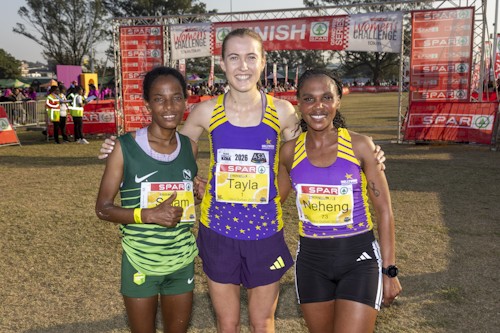
Image by Rogan Ward: Top 3 at the Durban SPAR Women’s 10/5km Challenge Selam Gebre (Nedbank) 31:45 (second), Tayla Kavanagh (Hollywood) 31:32
 A great recipe is rarely just a list of ingredients.




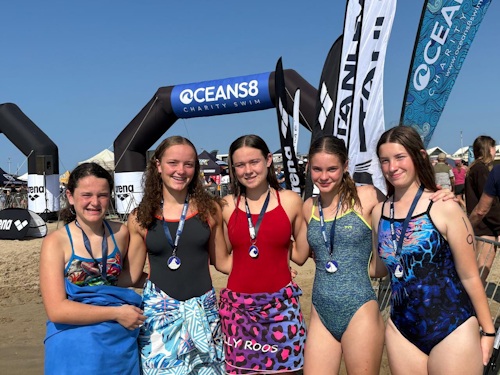 What an incredible effort from Megan Sykes, Sarah Sykes, Holly Roos, Carmen Brasem and Sophie Stevens at the Oceans 8 Charity Swim in Durban. Adventure, endurance and determination were on full display.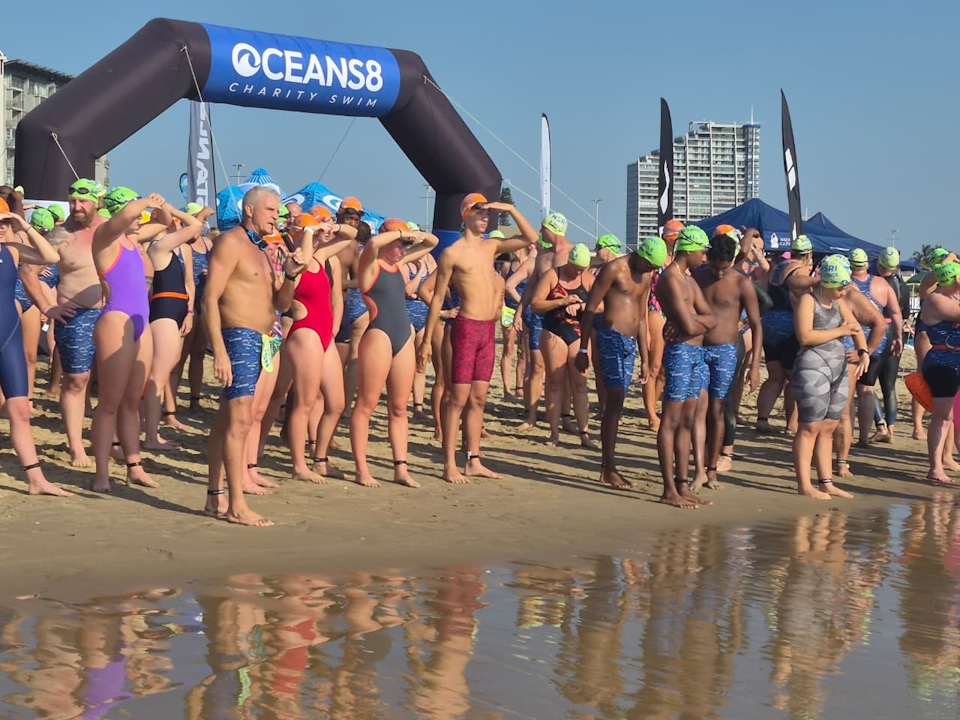
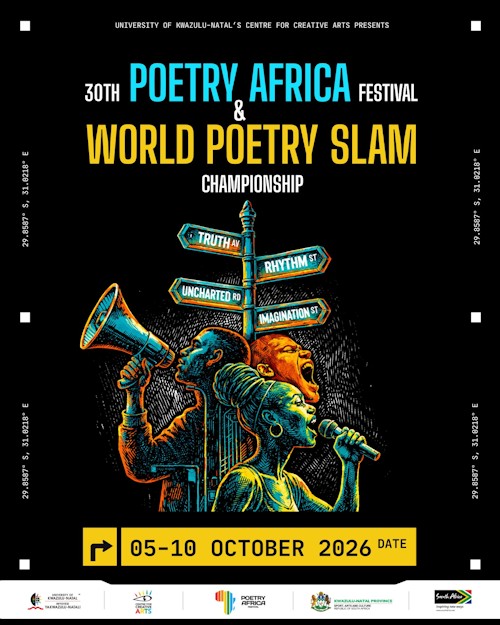 World’s Slam Champions Come to Durban
 From Guest Expectations To Sustainable Hospitality Operations

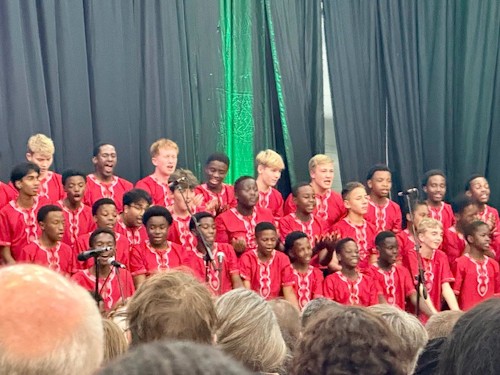 The annual 2 Schools in Concert, featuring the musical ensembles of Michaelhouse and Hilton College, once again provided a fitting start to the final derby weekend of the quarter. Hosted this year by Hilton College, the concert brought together musicians from both schools in an evening that showcased the breadth and quality of music-making that exists within the two communities.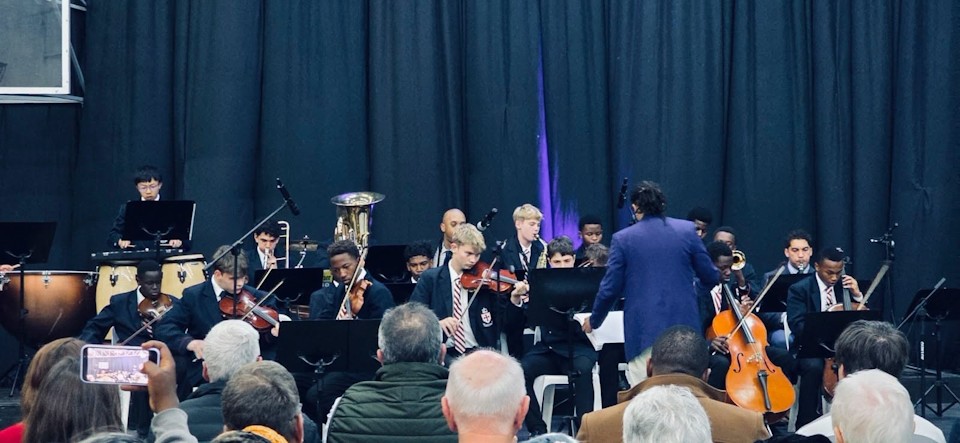
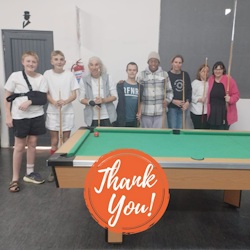
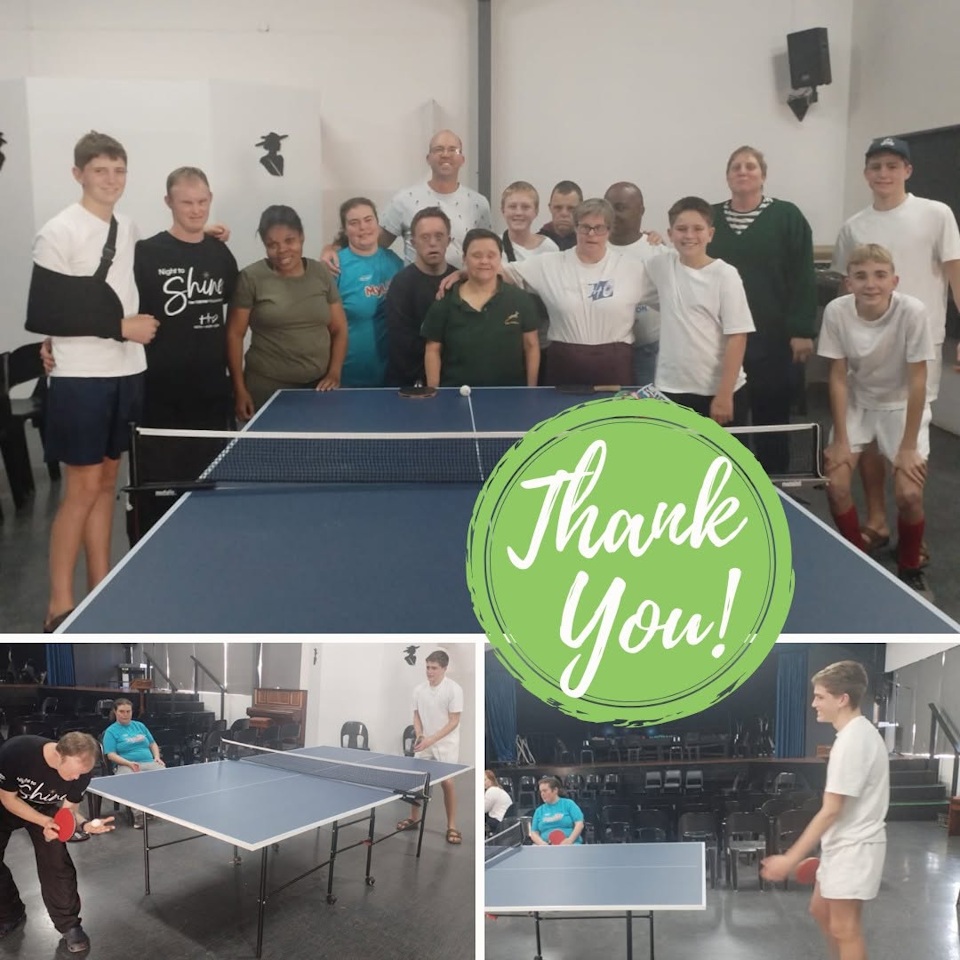
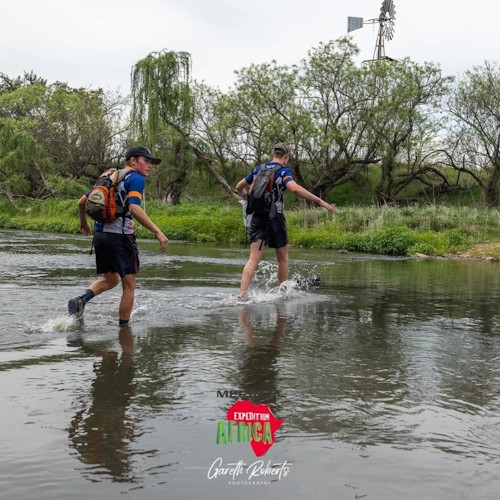 Help us get our Adventure Flagbearers to Poland and Canada this July!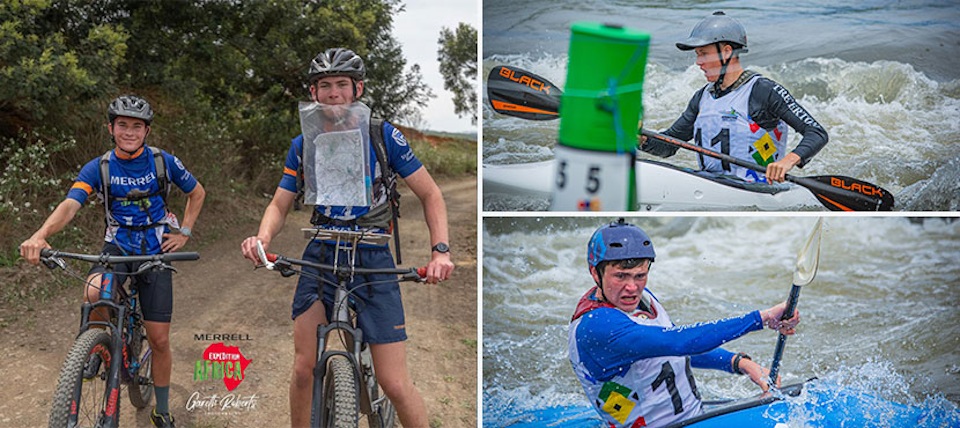
 Midmar Vet Clinic